
Experience White Water Rafting in Colorado
From the adrenaline pumping rapids of Clear Creek near Denver and the Arkansas River in Central Colorado to the remote wilderness of the Yampa River, Mild to Wild offers more Colorado white water rafting trips than any other outfitter. True to our name, we’ve spent over 30 years curating the largest portfolio of river trips in Colorado, ensuring that whether you’re seeking a mild family memory or a wild whitewater conquest, we have the river experience for you. Explore our regions below to find the best rafting trip for your Colorado vacation.
Find Your Colorado Rafting Adventure
Discover Rafting Trips Near You
Rafting Near Denver & The Front Range
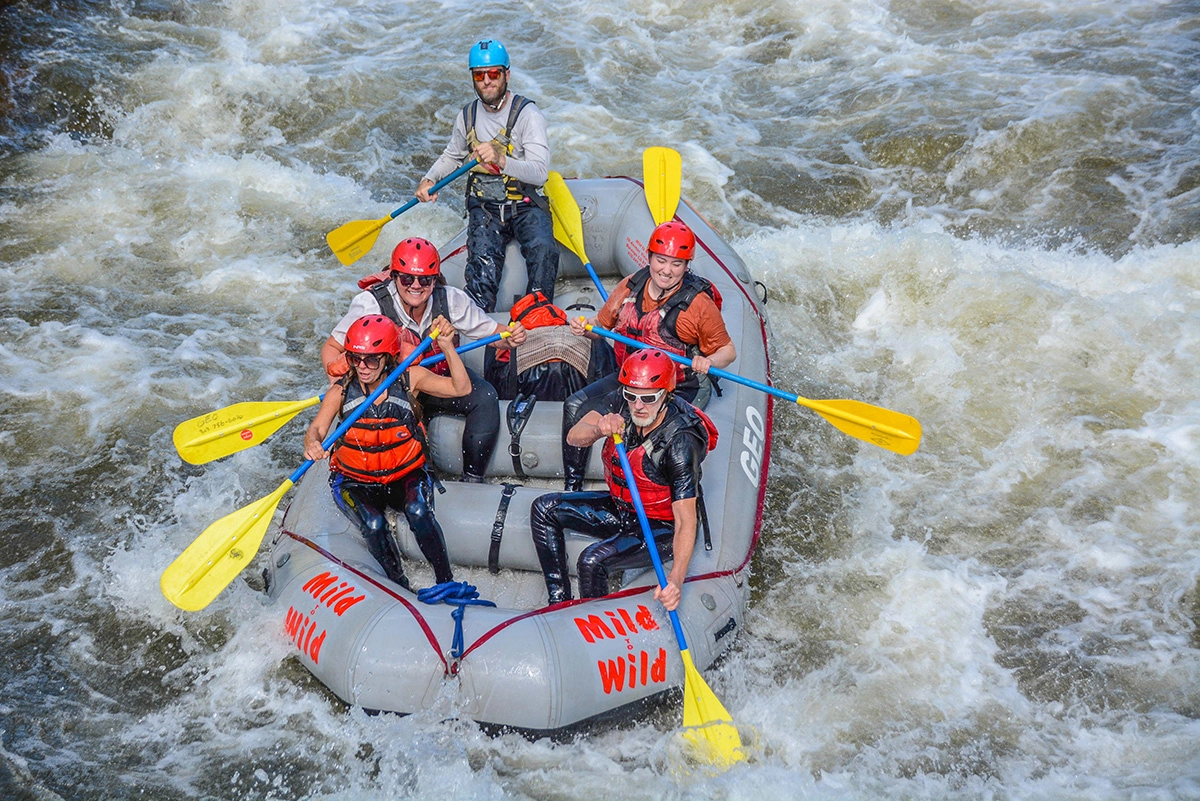
Mild – Wild | Class II, III, & IV Rapids
Just 30 minutes from the city, our Idaho Springs rafting trips on Clear Creek offer the most accessible white water in the state, with rapids ranging from beginner to advanced. Further west, the Upper Colorado River near Kremmling provides gentle, scenic floats through stunning canyons, perfect for relaxing getaways. Visit the Denver White Water Rafting page to view all trip options.
- Duration: 2hr 30M – 2 Day Trips
- Ages: 4+ or 35lbs+ (varies by section and water level)
Rafting in Central Colorado (Buena Vista & Cañon City)
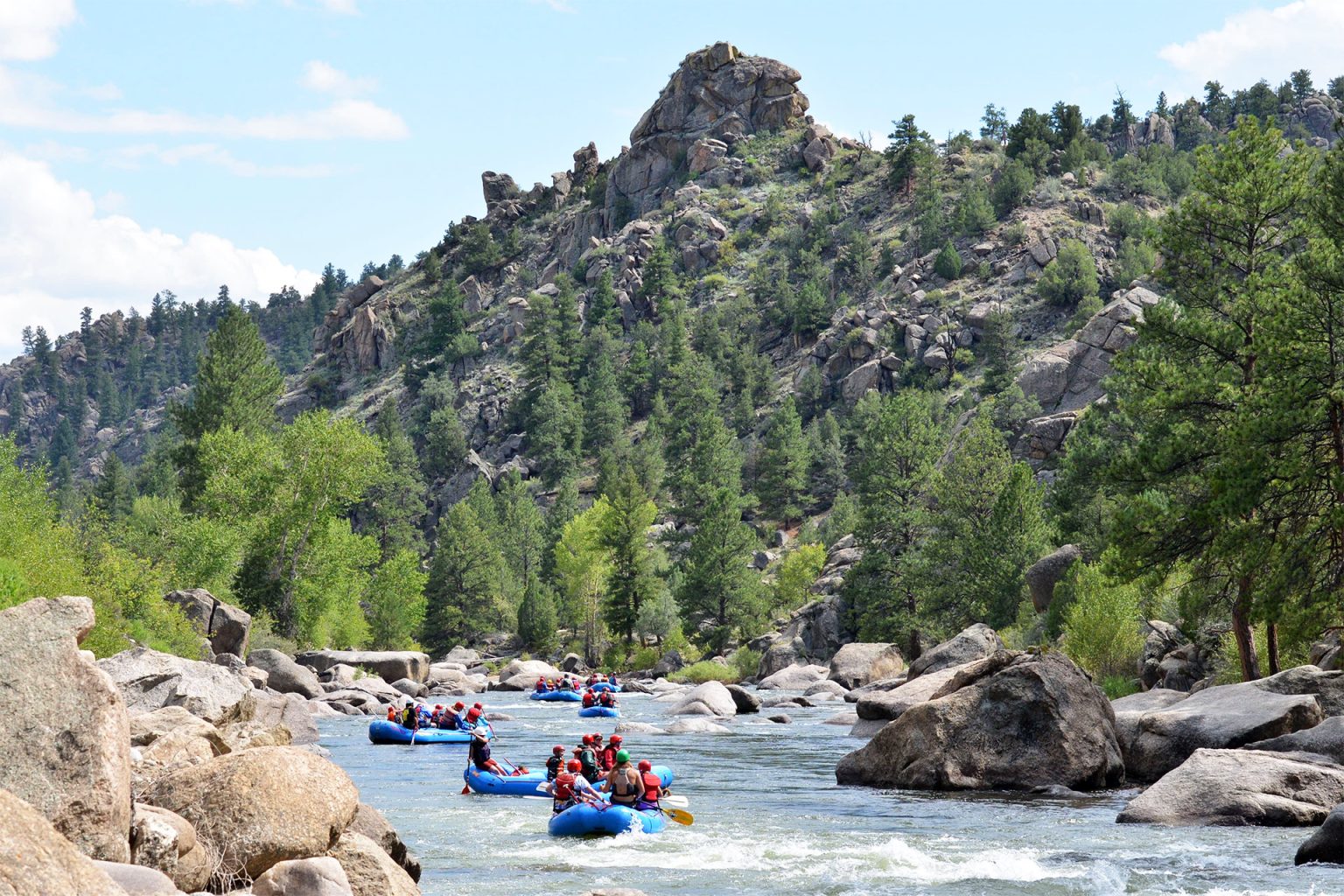
Moderate – Wild | Class II-IV Rapids
Experience the Arkansas River, the most rafted river in Colorado and a top destination for rafters worldwide. We guide every legendary stretch: enjoy family-friendly splashes in Bighorn Sheep Canyon, paddle the famous granite chutes of Browns Canyon National Monument, or take on the continuous technical rapids of The Numbers and Royal Gorge.
- Duration: 1/2 – 3 Day Trips
- Ages: 6+ (varies by section and water level)
Rafting in Southwest Colorado (Durango, Telluride, Pagosa Springs)
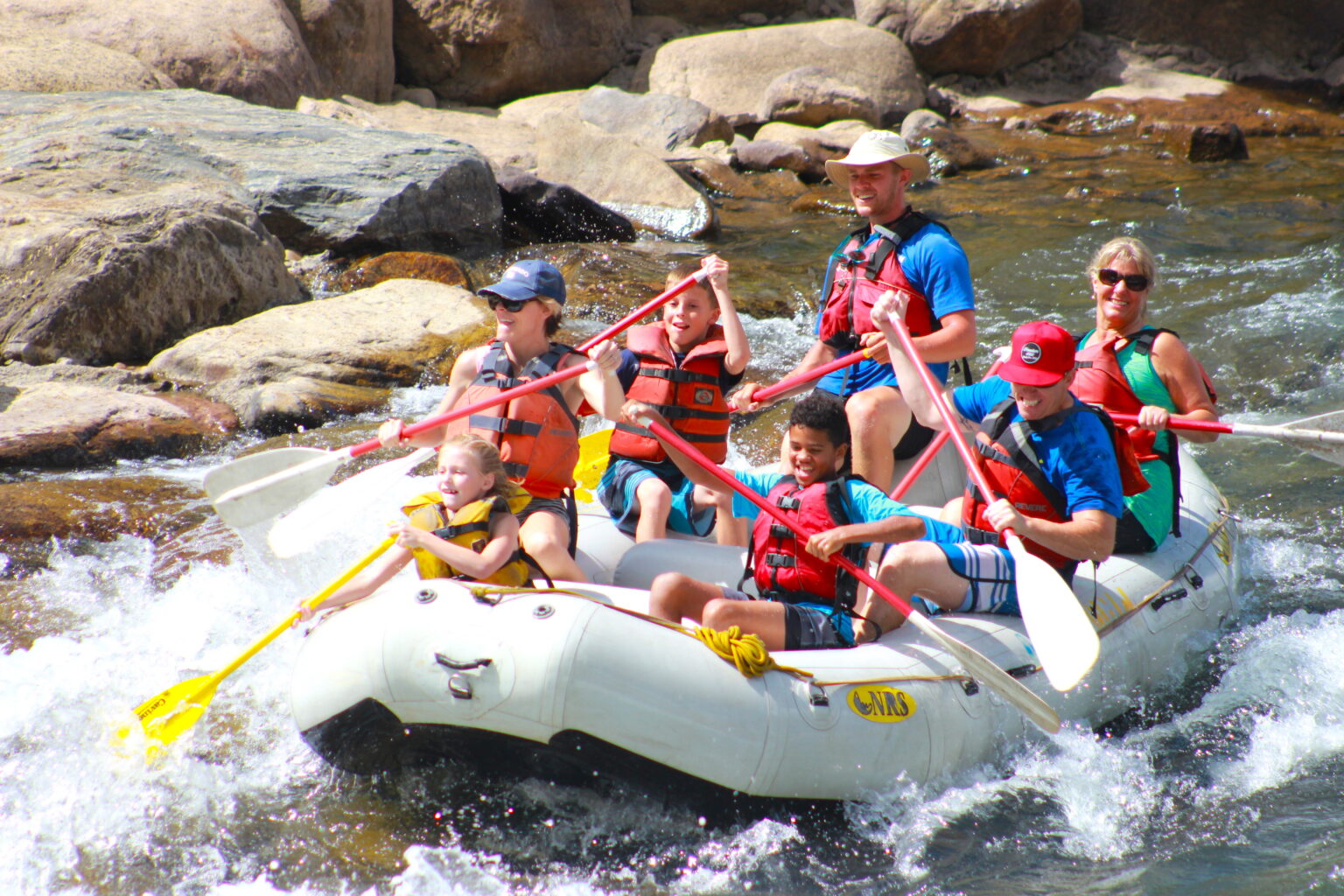
Mild – Wild | Class II, III, IV, & V Rapids
Home to our headquarters, this region offers the highest concentration of river diversity in the Rockies.
Durango: Choose the popular, family friendly Lower Animas that flows right through downtown, or challenge yourself on the Upper Animas, known as the toughest commercial raft trip in the U.S.
Telluride: Experience the non stop action of the San Miguel River. This narrow, twisting waterway offers fast paced Class II & III rapids through stunning red rock canyons and forests, just minutes from Telluride.
Pagosa Springs: For a wilderness experience, the Piedra River offers steep drops and technical box canyons for the adventurous rafter.
- Duration: 2 Hour – 2 Day Trips
- Ages: 4+ (varies by section and water level)
Multi-Day Wilderness Expeditions
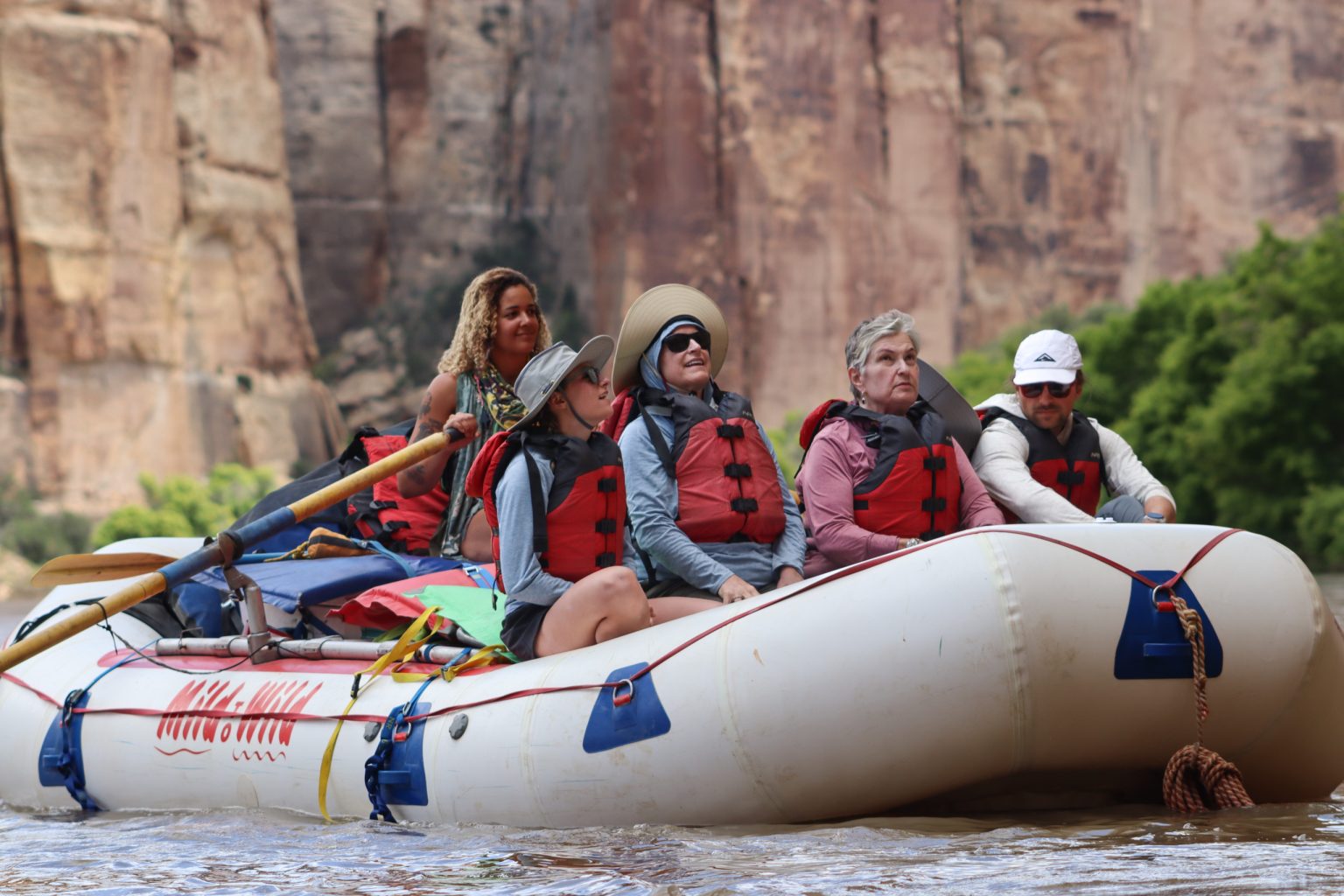
Intermediate | Class II – IV Rapids
Disconnect, unwind, and unplug on a multi-day journey through Dinosaur National Monument on the Yampa River or the Gates of Lodore on the Green River, or catch the rare flows of the Dolores River. These bucket list trips offer riverside camping, hiking, and starry nights in Colorado’s most remote canyons.
- Duration: 2 – 6 Day Trips
- Ages: 7+ (varies by section and water level)
Which Trip is Right Ror You?
| Trip Level | Best For | Top River Recommendations |
|---|---|---|
| Mild (Class I-II) | Families with young kids (Ages 4+), Sightseers, Relaxing Floats | Upper Colorado River (Kremmling) Lower Animas (Durango) |
| Moderate (Class II-III) | Families seeking splashes, First-Timers, Mixed Groups | Browns Canyon (Arkansas River/Buena Vista) Bighorn Sheep Canyon (Arkansas River/Cañon City) Clear Creek (Idaho Springs) |
| Intermediate (Class III) | Active Families, Teens, Those wanting fast-paced action | San Miguel River (Telluride) |
| Wild (Class IV-V) | Adrenaline Junkies, Physically Fit, Experienced Rafters | Royal Gorge (Arkansas River/Cañon City) Upper Animas (Silverton) The Numbers (Arkansas River/Buena Vista) Clear Creek (Idaho Springs) |
Browse all Colorado Rafting Trips
Daily Trips
Lower Animas River: Fun, family-friendly river rafting in Durango, Colorado.
Clear Creek: Thrilling and scenic Colorado rafting just 30 minutes from Denver.
Arkansas River: Discover the river that made Colorado famous for rafting, offering intermediate to high-adventure options near Buena Vista and Cañon City.
Upper Colorado River: A premier, family-friendly scenic float trip on a majestic stretch of river near Kremmling, CO.
Upper Animas River: (Needleton Section): The ultimate advanced whitewater rafting in Colorado.
Upper Piedra River: A hidden gem for intermediate rafting near Pagosa Springs.
San Miguel River: Constant whitewater action near the stunning peaks of Telluride.
Dolores River: A rare and beautiful trip near Cortez (runs in high-water years).
Multi-Day Trips
Upper Animas Needleton Section: An overnight expedition on America’s most challenging commercial run.
Dolores River: A multi-day intermediate adventure through remote canyons (high-water years).
Yampa River: A 4-5 day journey through Dinosaur National Monument on Colorado’s last free-flowing river.
Gates of Lodore (Green River): A 3-4 day trip through the historic and majestic canyons of Dinosaur National Monument.
Arkansas River: Choose from 2 or 3-day expeditions that combine iconic stretches of white water like Browns Canyon, The Numbers, and the Royal Gorge.
Upper Colorado River: A 2 or 3-day relaxing river journey complete with beach camping, stargazing, and side hikes.
Why Choose Mild to Wild For Your Colorado Rafting Adventure?
Mild to Wild Rafting & Jeep Tours is a family-owned and operated company that started in the heart of whitewater country—Durango, Colorado—in 1994. Our passion for sharing the outdoors has driven us for 30 years and is built on a foundation of safety, expertise, and unforgettable fun.
- Unmatched Experience: Our Trip Leaders average over 2,000 river miles, far exceeding the state requirement of 800. We have the longest and most rigorous guide training program in the region.
- Commitment to Guest Experience: We were the first to provide helmets in Durango, use self-bailing rafts on the Upper Animas, and carry satellite communication technology on all wilderness trips. Your safety is our #1 priority.
- Industry Leadership: As a long-term member and board director of the Colorado River Outfitters Association (CROA), our owner has helped shape the safety and registration standards for the entire state.
- Guest-First Service: We are the only outfitter in Durango with year-round staff to serve you. We were also the first to offer wetsuits and booties to keep our guests comfortable.
- Our Service Guarantee: If you’re not absolutely delighted with our guides and equipment, your trip is on us. That’s the Mild to Wild promise.
Colorado White Water Rafting FAQs
When is the best time to go white water rafting in Colorado?
The best time depends on the level of adventure you’re after! For high-water thrills and the largest splashes on rivers late May and June are the peak months as the mountain snowpack melts. If you prefer warmer water a little slower pace July and August are fantastic.
When can I raft in Colorado?
The Colorado rafting season typically runs from April through September. We offer a wide range of departures, including half-day, full-day, and multi-day wilderness expeditions. Whether you’re looking for an early spring runoff trip in May or a peaceful, scenic float through the golden colors of September, a Colorado rafting trip is a spectacular way to adventure in nature and connect with family and friends.
What is the minimum age to raft in Colorado?
Because we offer everything from mild floats to wild Class V rapids, the minimum age varies by river and water level:
- Family-Friendly (Class II-III): Typically 4 years old (and/or 35 lbs).
- Intermediate/Advanced (Class IV-V): Typically 12 to 16 years old, depending on the specific river and current flow rates. During the high-water peak in June, minimum age restrictions may increase.
What should I wear and bring on my Colorado rafting trip?
The weather can change quickly in the Colorado Rockies, so being prepared with the right layers is key! We recommend:
- Clothing: Quick drying synthetic layers (rash guards or board shorts). Avoid cotton, as it stays cold and heavy when wet. Colorado rivers are fed by snowmelt. In the early season, we highly recommend renting a wetsuit and booties from our office if you don’t already have your own or if they are not already included with your trip.
- Footwear: Secure sandals with a heel strap (like Chacos or Tevas) or old sneakers. No flip-flops or Crocs are allowed on the river!
- Essentials: Polarized sunglasses with a retention strap and waterproof sunscreen.
You can find a detailed list of what to wear and bring here.
Is white water rafting in Colorado safe?
White water rafting is an inherently dangerous activity with risks that cannot be entirely eliminated. As a result, we require all guests to sign a liability waiver and assumption of risk before departing. However, your experience is our top priority. To minimize risk, we employ professional, interpretive guides who undergo a state-certified instructional course that exceeds the requirements of Colorado, Arizona, and Utah. Our guides are certified in CPR and First Aid, and we utilize high-quality self-bailing rafts, U.S. Coast Guard-approved personal flotation devices, and helmets on every trip.
Do I need any rafting experience?
No! We offer trips for all skill levels. Our beginner and family trips, like the Lower Animas and the beginner section of Clear Creek, require no prior experience. Our professional, interpretive, and entertaining guides will teach you everything you need to know.